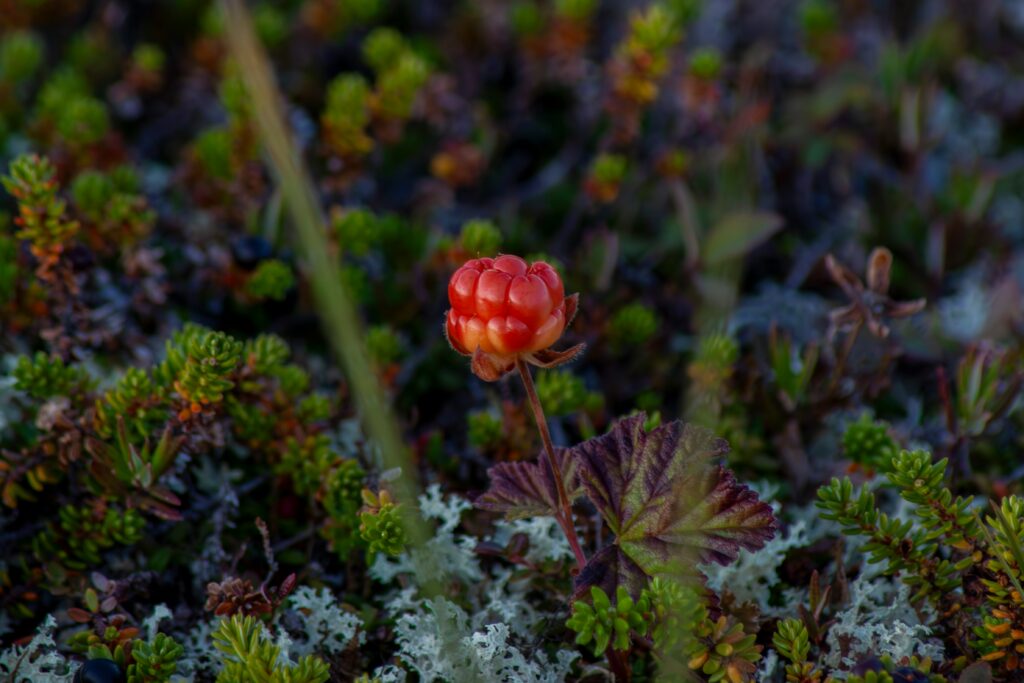
The wellness world has discovered what perfumers have known for centuries: scent has the power to shape our inner world. The latest trend, moodscaping, is bringing this ancient wisdom into modern practice, inviting us to intentionally craft our emotional environment through sensory design.
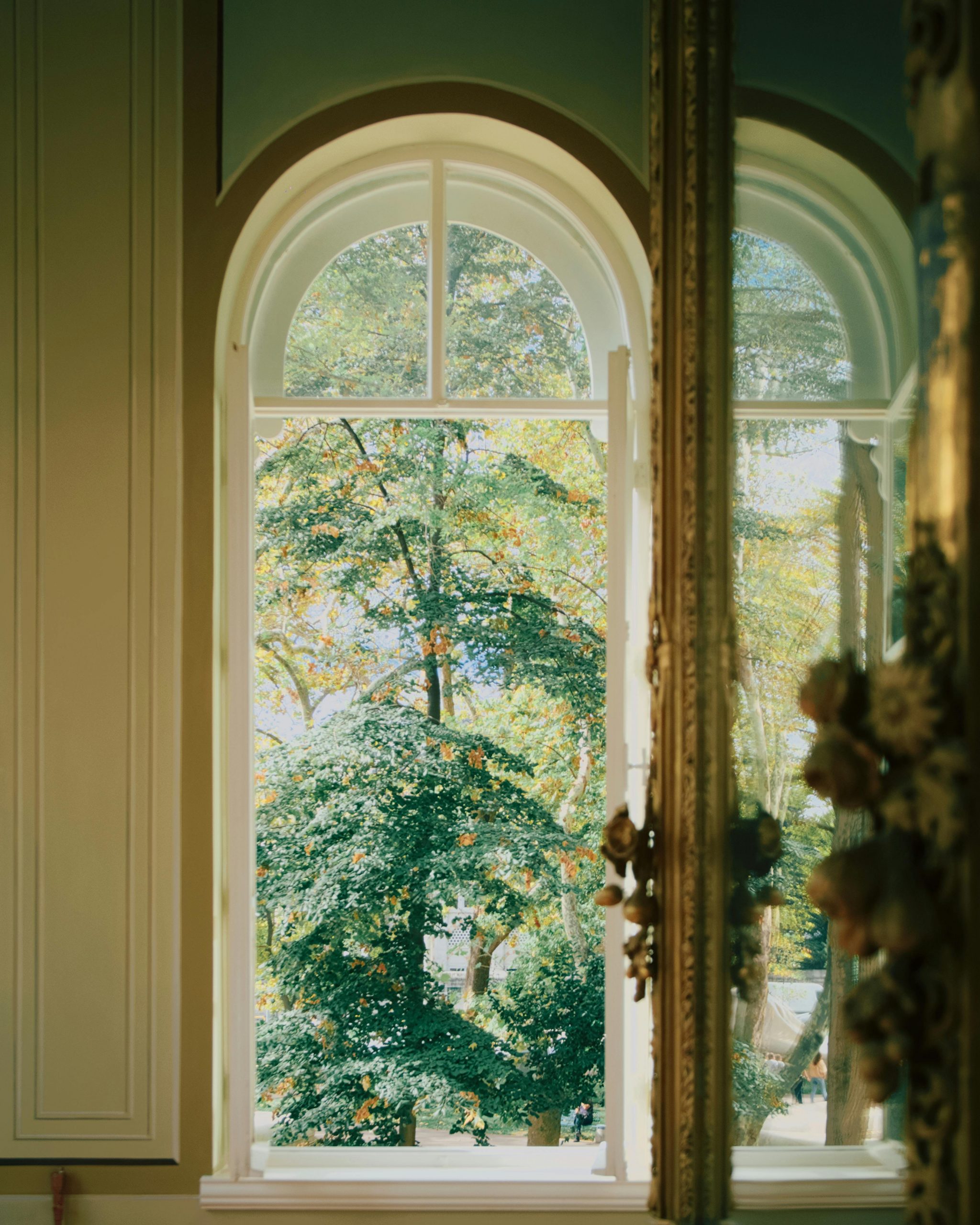
The wellness world has discovered what perfumers have known for centuries: scent has the power to shape our inner world. The latest trend, moodscaping, is bringing this ancient wisdom into modern practice, inviting us to intentionally craft our emotional environment through sensory design.
At its essence, moodscaping is the art of using sensory elements – music, lighting, color, and especially scent – to cultivate specific emotional states. Think of it as interior design for your mood, a deliberate curation of atmosphere that supports how you want to feel rather than simply accepting whatever emotional weather rolls in.
The Science Behind Scent and Mood
While moodscaping might sound like the latest wellness buzzword, the connection between fragrance and emotion is deeply rooted in neuroscience. Our olfactory system is uniquely wired directly to the limbic system, the brain’s emotional control center. This means scent bypasses the logical, thinking parts of our brain and speaks directly to the areas that govern memory, emotion, and mood.
When you inhale a particular fragrance, you’re not just perceiving a pleasant smell. You’re triggering a cascade of neurochemical responses. Certain botanical essences have been shown to influence neurotransmitter production: bergamot can help regulate cortisol levels, rose may support serotonin production, and vetiver has been linked to increased feelings of groundedness and calm.
This is why natural perfumery holds such potential for authentic moodscaping. Synthetic fragrances can certainly smell pleasant, but they lack the complex molecular structures found in botanical essences – structures that our bodies have evolved alongside for millennia and that carry genuine therapeutic properties.
Creating Your Scent Moodscape
The beauty of moodscaping with natural perfume is its intentionality. Rather than simply spritzing on whatever fragrance happens to be within reach, you’re making a conscious choice about which emotional landscape you want to inhabit.
For Energy and Clarity
When you need mental sharpness and an energy boost, reach for citrus-forward compositions. Bergamot, bitter orange, and grapefruit contain limonene and other compounds that research suggests may enhance alertness and mood. The bright, effervescent quality of these notes quite literally lifts the spirits–there’s a reason we describe citrus as “uplifting.” The sharp, clean character cuts through mental fog and invites focus.
For Calm and Groundedness
When the world feels overwhelming and you need to return to center, woody and earthy fragrances create an olfactory anchor. Sandalwood, cedarwood, and vetiver carry sesquiterpenes that may support relaxation and presence. These deeper notes slow the breath, quiet the mind, and create a sense of being held by something solid and enduring.
For Creativity and Openness
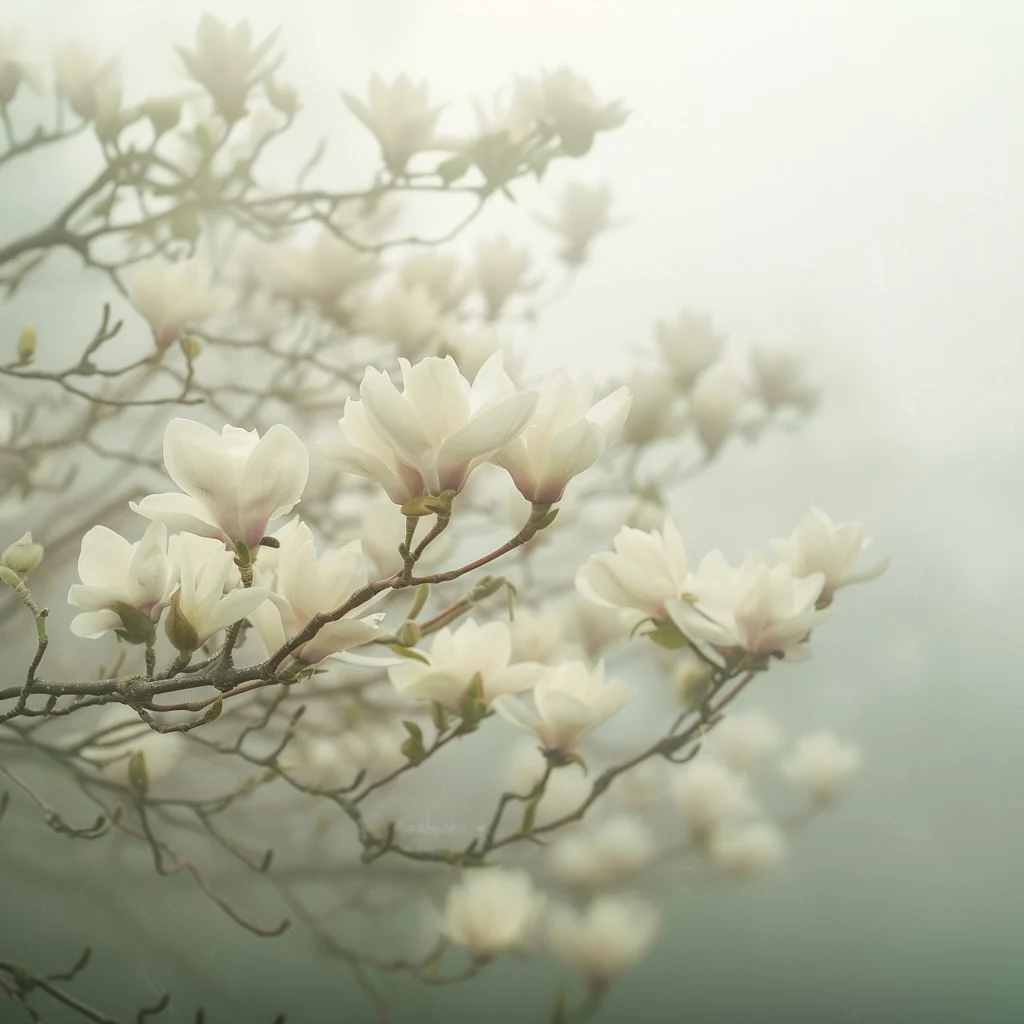
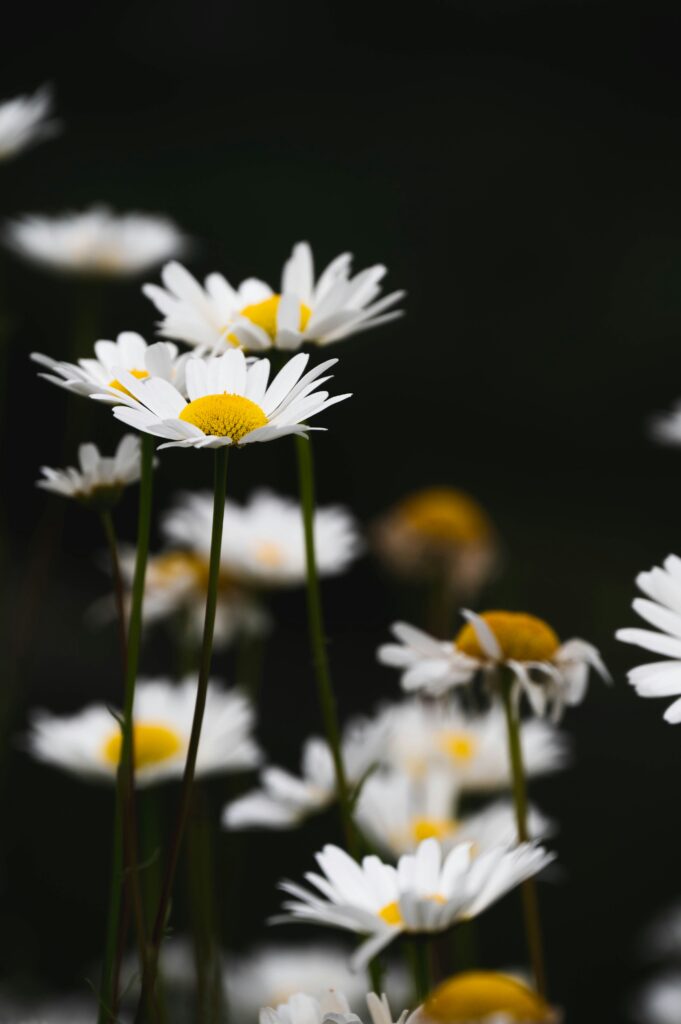
Floral and green compositions can unlock creative thinking and emotional openness. Rose, jasmine, and neroli contain delicate molecules that support feelings of connection, both to ourselves and to others. Green notes–violet leaf, galbanum, fig–bring the expansive, possibility-filled quality of nature indoors, reminding us that growth and renewal are always available.
For Comfort and Warmth
Sometimes we need scent to feel like a cashmere blanket for the soul. Vanilla, benzoin, tonka bean, and amber-type compositions create olfactory warmth. These sweet, resinous notes have been associated with feelings of safety and contentment, perhaps because they echo the comfort scents of childhood–mother’s skin, baked goods, cozy spaces.

The Ritual of Application
Moodscaping with perfume isn’t just about the fragrance itself but about the ritual of application. This is your moment to pause, to set an intention, to consciously choose your emotional direction.
Take a moment before applying your perfume. Breathe deeply. Consider how you want to feel. Then apply your chosen fragrance to pulse points–wrists, inner elbows, behind the ears–where the warmth of your body will help the scent bloom and evolve throughout the day. As you inhale, you’re not just smelling a beautiful composition. You’re activating a neurological pathway, sending a message to your brain about the emotional tone you’re setting for the hours ahead.
Beyond Perfume: Layering Your Sensory Landscape
While natural perfume is a powerful tool for moodscaping, it’s most effective when integrated into a broader sensory environment. Consider pairing your fragrance choice with complementary elements:
- Sound: Match your scent to music that reinforces the mood. Energizing citrus perfumes pair beautifully with upbeat, rhythmic music. Woody, grounding fragrances harmonize with slower tempos and deeper bass notes.
- Light: Scent and light influence each other in our perception. Bright, fresh fragrances feel most natural in well-lit spaces, while deep, resinous scents bloom in softer, warmer lighting.
- Environment: Your physical space reinforces or contradicts your scent moodscape. A clarifying, energizing perfume works best in a clutter-free environment, while comforting, cozy fragrances invite soft textures and intimate spaces.
Natural Perfume as Daily Practice
What makes moodscaping with natural perfume particularly powerful is that it transforms fragrance from a finishing touch to a wellness practice. Each morning becomes an opportunity to choose your emotional direction. Each reapplication throughout the day offers a reset, a chance to recalibrate.
In a world that often feels chaotic and unpredictable, moodscaping with natural perfume offers something rare: a sense of agency over our inner landscape. We may not be able to control external circumstances, but we can intentionally shape the sensory environment that influences how we respond to those circumstances.
This is the promise of natural perfumery in the context of moodscaping. It’s not about covering up or escaping reality but about supporting ourselves through it. It’s about recognizing that beauty and wellbeing aren’t separate pursuits but deeply intertwined practices.
The next time you reach for your perfume, pause. Breathe. Choose intentionally. And notice how this small act of sensory curation ripples outward, subtly but unmistakably shaping your experience of the day ahead.
Your mood, after all, deserves to be designed as carefully as any other aspect of your life. And natural perfume is one of the most elegant, effective tools you have for that design.